

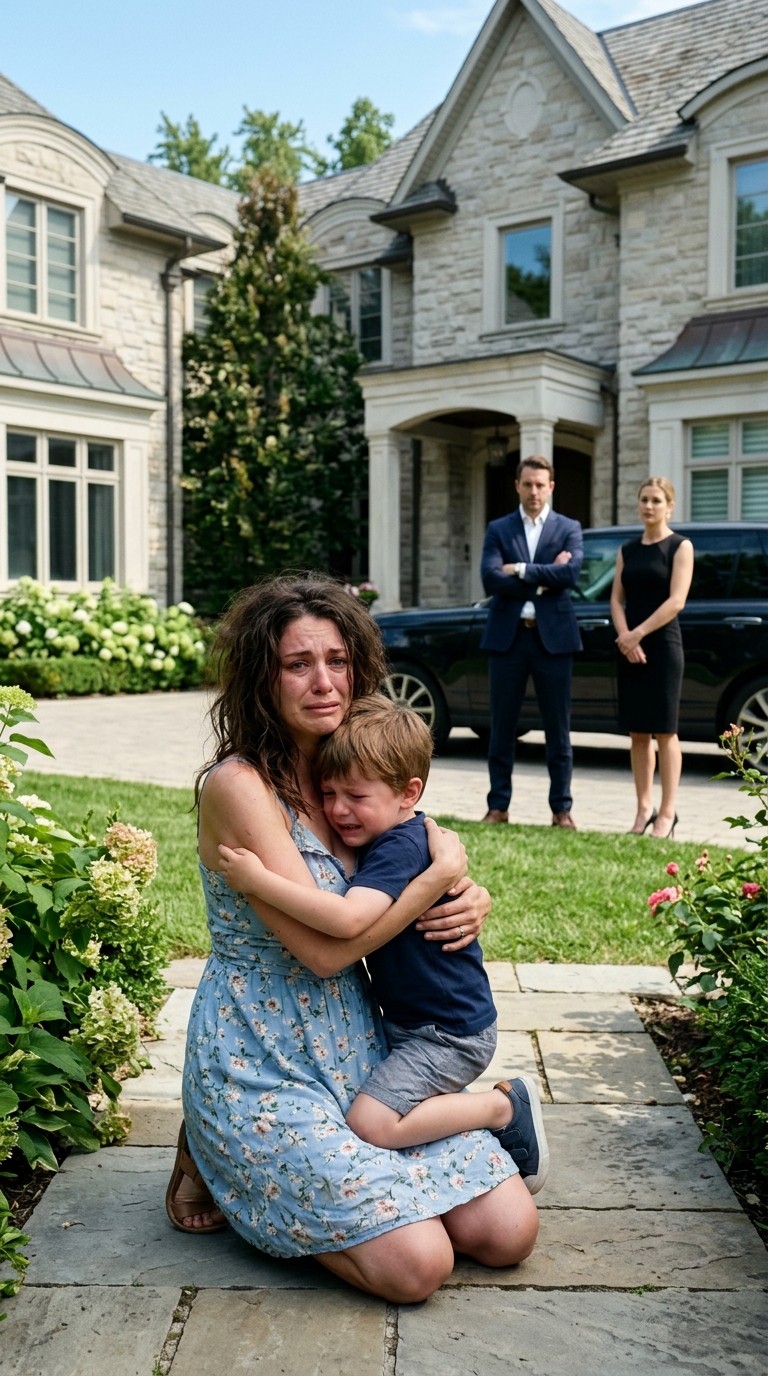
The day my husband chose to leave us for another woman felt disturbingly calm. There was no screaming, no dramatic confrontation—only the soft hum of the refrigerator and pale autumn sunlight stretching across the kitchen while he quietly explained that he wasn’t meant to raise a child with a disability.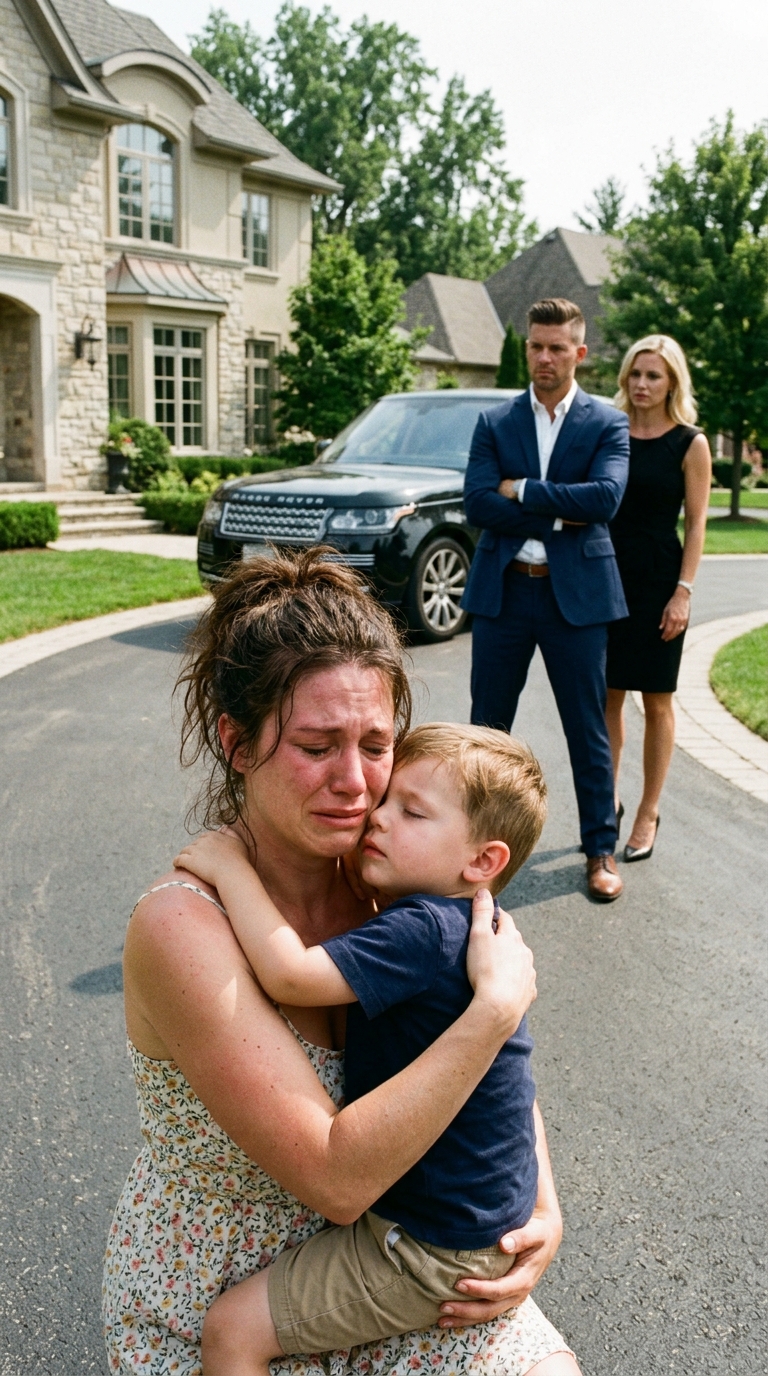
Our son was only three months old. I was still struggling to process the diagnosis myself—one that promised years of therapy, care, and uncertainty.
But what stayed with me wasn’t merely what he said—it was how emotionless he sounded. As though love came with requirements, and our son had already failed to meet them.
Within days, he was gone. The divorce papers arrived shortly after. His family remained completely silent.
I still remember standing in a courthouse hallway, carrying a diaper bag in one hand and medical paperwork in the other, realizing there was no space in my life to collapse.
Because my son needed someone who would stay.
The years that followed were never simple. They were stitched together with therapy sessions, financial pressure, endless paperwork, and quiet perseverance.
Eventually, I found a position at a nonprofit dedicated to accessibility, where I learned that real change comes from systems—not pity.
My son, Adrian, grew into someone with a calm but unshakable determination. The cane he walked with never limited the strength of his mind.
While other children chased distractions and hobbies, he was drawn toward law books and structured debates, as though he had been preparing for something long before the rest of us understood it.
Whenever I reminded him he didn’t need to prove himself to anyone, he would answer without lifting his eyes: “I’m not proving anything. I’m preparing.” Over time, I finally understood what he meant.
Eighteen years later, I attended a nonprofit gala in Seattle expecting nothing more than routine introductions and polite conversation.
Then I saw him—my ex-husband—comfortable and confident, behaving as though time had erased every choice he had made.
He looked at me with casual amusement and even asked whether our son had “managed to become anything.”
I met his eyes calmly and replied, “He’s alive. And he’s doing very well.”
That was when the doors opened.
Adrian entered the ballroom with steady confidence, cane in hand, carrying himself not with uncertainty but with purpose.
Introduced as a highly respected attorney specializing in accessibility law, he stepped onto the stage and immediately captured the room’s attention.
For the first time, I saw hesitation appear on his father’s face.
After Adrian finished speaking, Warren tried to approach him. Tried to talk. Tried, far too late, to reconnect.
But Adrian did not bend.
He made it clear that accountability cannot be replaced by apologies delivered years after the damage is done. Some decisions, once made, never return to comfort again.
And when Warren finally turned to leave, I said only this:
“You walked away. We learned how to keep going.”
Outside the venue, Adrian finally spoke the words that mattered most. He had never come seeking revenge or validation—only the chance to stand in a place where no one could ever call him a mistake.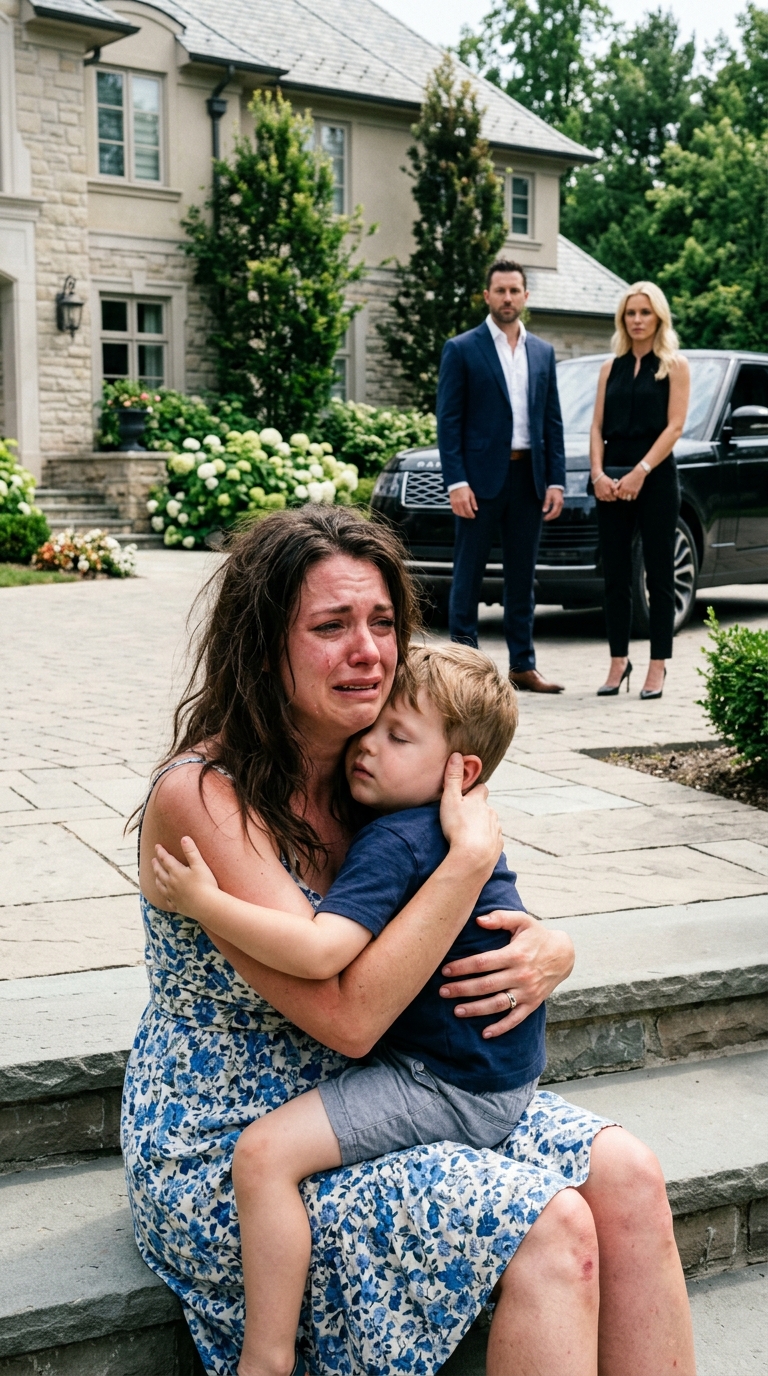
And in that moment, I understood something simple and permanent:
What his father abandoned was never a burden.
It was the beginning of everything we became.
